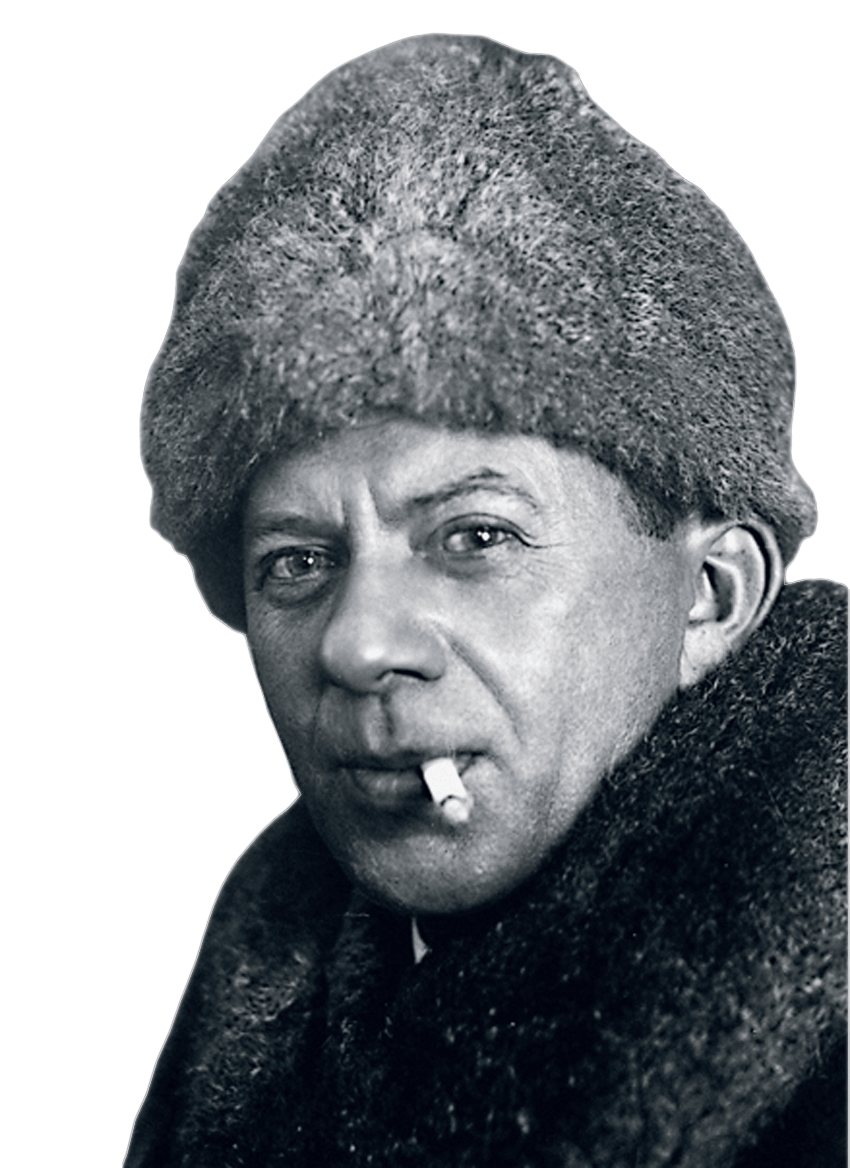
Iosif Berman was born on the 17th of January 1890 in a village called Burdujeni, near Suceava. His father was Jewish and he received Romanian citizenship after his participation in the Independence War of 1877. According to his daughter, Luiza, Iosif Berman learned to photograph by visiting the photographers based in Cernauti.
His career kicked-off through a contest in 1911, for the position of photoreporter for “Gazeta Ilustrata”, when he was hired on the spot.
During the First World War he was attached as a photo-reporter to a regiment and so the Russian Revolution of 1917-1918 caught him in Odessa. His glass clichés were confiscated, the regiment fled and Berman ended up in the Northern Caucasus.
It all turned out to be somewhat of a necessary evil, as in Novorosiisk, Northern Caucasus, he met his future wife, Raisa. They got married there and his eldest daughter was born, Luiza.
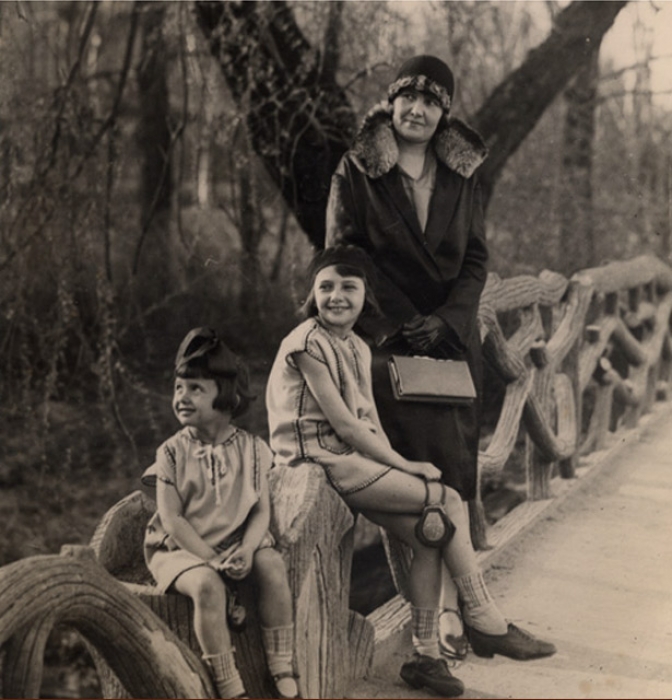

His wife, Raisa, and their daughters: Luiza and Raisa.
Source
Draught and famine were wildly spreading in Russia so the young family fled to Constantinopole, “on a small ship carrying a theatre company of Lilliputians who was to play in Turkey” (Source: Ioana Popescu, Revista Martor 3).
They settle down in Constantinopole for 2 years, and he continues his collaboration with various publications in Romania:
“Realitatea Ilustrata”, “Ilustratiunea Romana”, “Romania Ilustrata”, “Dimineata”, “Adevarul”, “L’Independence Roumaine”, but also “The New York Times”.
At his return in Romania his career takes off and he becomes the « star » of the newspapers & magazines he collaborated with.
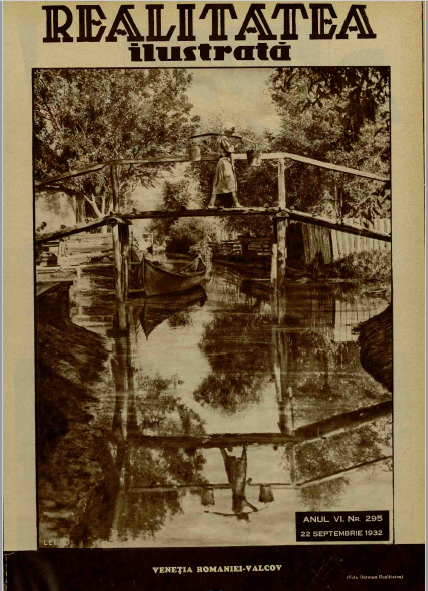
He works with Associated Press and Scandinavian Newspaper Press and he is the first Romanian to have his photographs published in National Geographic.
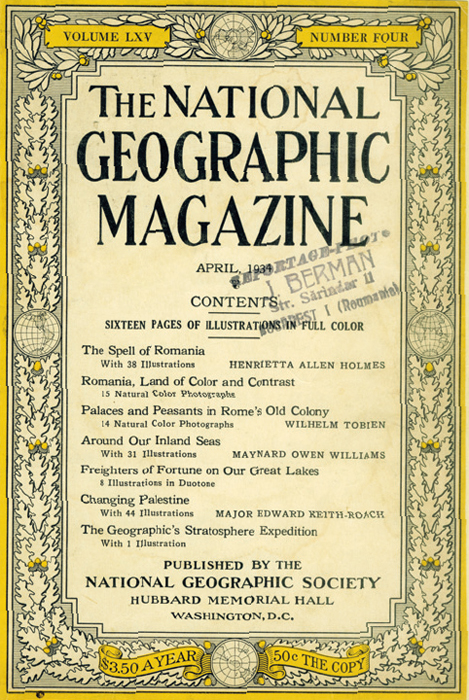
They were no less than 32 photos that illustrated Henrietta Allen Holmes’s article titled “The Spell of Romania: An American Woman’s Narrative of her Wanderings Among Colorful People and Long-Hidden Shrines”.
He is one of the official photographers of the Royal House and followed them along important political moments, such as meetings at the Scrovistea Estate, official celebrations, the opening of the Parliament by the High Regency, and personal moments, such as Prince Mihai I attending the Palatine School.
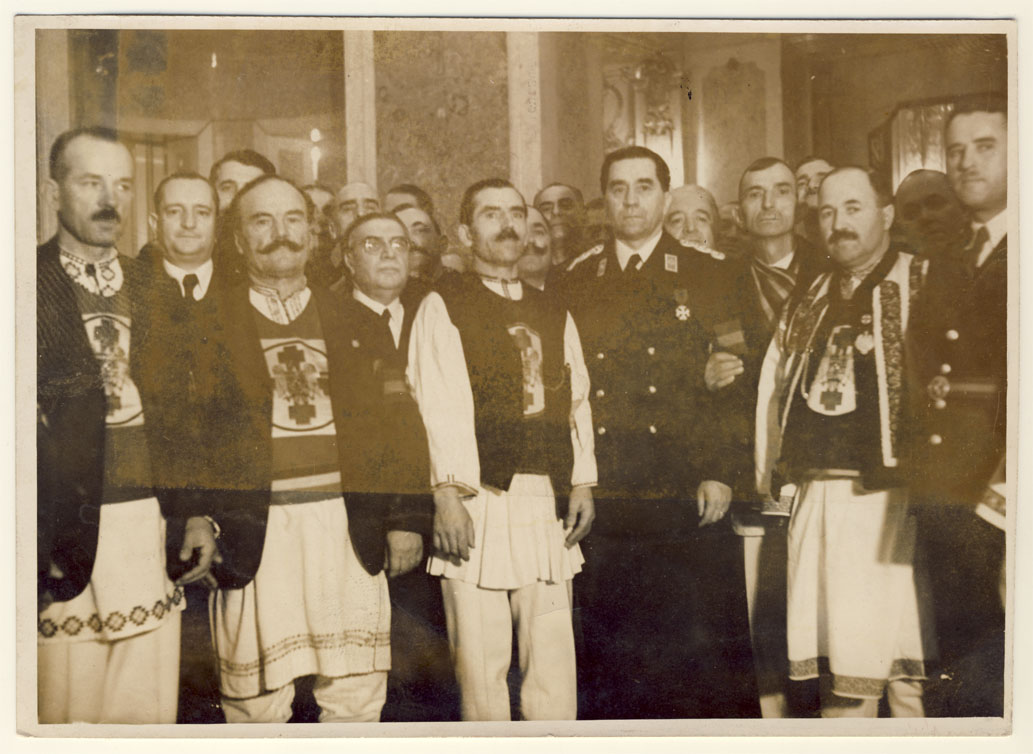
The Prime Minister, Gheorghe Tatarascu, with the peasant deputies from FRN (National Renaissance Front). Collection: The National Library of Romania.
He would continue working as a photo-reporter, doing his best to be the first to capture an event, such as a canine parade or a catastrophe. He worked closely with Geo-Bogza and Brunea-Fox, who declared that he took up journalism inspired by Iosif’s Berman’s photography.
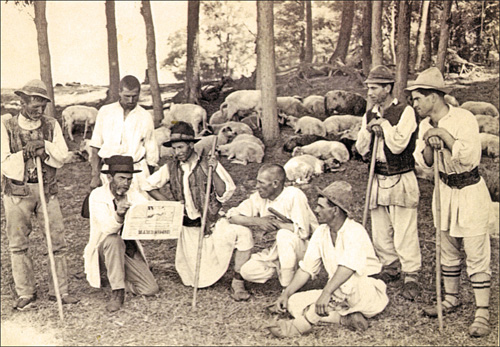
Iosif Berman: Peasents reading “Dimineata” newspaper.
Source